



Climate Controlled Warehouse

55-Point Guitar Inspection

Unique Photos of Every Guitar

Packed & Shipped With Care
Resonator Guitars
Get More at Sweetwater
Refine Your Search
Availability
Brand
Price Range
- $200 to $300 (1)
- $300 to $500 (7)
- $500 to $750 (13)
- $750 to $1000 (7)
- $1000 to $1500 (14)
- $1500 to $2000 (5)
Financing What is this?
Type of Deal
Color
Series
- Gretsch Roots (9)
- Gold Tone Paul Beard Resophonics (7)
- Recording King Metal Body (7)
- Recording King Dirty 30s (4)
- Recording King Rattlesnake (3)
- Danelectro '59 (2)
- Epiphone Original Collection (2)
- Gold Tone Mastertone (2)
- Recording King Maxwell (2)
- Recording King Professional (2)
- Fender Paramount (1)
- Kala Americana (1)
- Recording King Artist (1)
Resonator Type
Neck Shape What is this?
Body Style What is this?
Left-/Right-handed
Top Material
Back & Sides Material
Neck Wood
Fingerboard Material What is this?
Scale Length
Nut Width What is this?
- 2.4375" (1)
- 2" (2)
- 1.93" (2)
- 1.9" (1)
- 1.875" (3)
- 1.812" (1)
- 1.75" (22)
- 1.69" (1)
- 1.6875" (5)
- 1.650" (2)
- 1.625" (1)
- 1.1875" (1)
Electronics What is this?
Case/Gig Bag What is this?
Related Searches

Gretsch G9201 Honey Dipper Roundneck Metal Resonator - Shed Roof






- 1
- 2
If you want to compare another product, please remove one of your earlier choices.
Beginner’s Guide to Resonator Guitars: What to Know Before You Buy
From the blues to bluegrass, resonator guitars have been a significant part of American music for several generations. Sweetwater carries a fine assortment of resonator brands, including Fender, Gretsch, Epiphone, Recording King, and many more, to meet all kinds of playing needs, from traditional acoustic squareneck models to modern roundnecks with onboard electronics. Here are a few tips Sweetwater guitarists use when they look for a resonator guitar.
Choosing a Resonator Neck Shape
The first major decision is the shape of the neck. Traditional squareneck resonators are made with special nuts that give them an abnormally high action. They’re often open-tuned and are typically played across the lap with a slide. This playing style is challenging and fun, but it’s not for everyone. Roundneck resonators, on the other hand, are often played like guitars. Many players coming from standard guitar prefer this style, and you can still use a slide and open tunings to get a traditional resonator sound.
How Resonator Cones Impact Your Sound
Next, there’s the resonator cone itself. There are two standard resonator cone designs: the simple biscuit cone and the more complex spider cone. The biscuit resonator cone looks like a speaker aimed at the back of the guitar, with the bridge itself sitting in the center. Biscuit cones deliver strong fundamentals with a modest amount of harmonic complexity, producing a sound that’s loud, clear, and metallic. This style of resonator is a favorite among Delta blues players.
Spider-cone resonators use web-style bracing to support the bridge, flipping the speaker shape of the cone around to face out. Typically, this cone sits on a sound well, which provides another layer of harmonic complexity. Not only does this cause the instrument to project more than biscuit-cone models, but it also gives the instrument a honking, midrange-heavy tone that bluegrass players love.
The Truth About Resonator Guitar Tonewoods
Compared to traditional acoustic guitars, the material resonator guitar bodies are made of has less impact on their sound. That said, resonator guitar makers have a lot of fun playing around with different materials, offering everything from mahogany and maple to brass and steel. That means a good part of the tonewood/body construction has to do with aesthetics, which leaves you free to consider the fabulous finishes you’ll find on resonator guitars.
Amp’d or Unplugged: Acoustic & Acoustic-Electric Resonators Compared
Finally, there’s the question of onboard electronics. Despite the convenience of being able to plug in and play live, many resonator players prefer all-acoustic instruments, choosing to mic up their instruments when playing live. Still, onboard electronics can add an electric guitar tone to complement the metallic resonance of the cone. It’s all a matter of preference, but if you’re playing large venues, then onboard electronics can be useful.
Questions About Resonator Guitars? Ask the Experts
Still not entirely sure what kind of resonator to get? Don’t worry — Sweetwater Sales Engineers are more than happy to help you narrow it down. Take advantage of our amazing financing options, and you may just get your favorite new instrument in a matter of days.
What are the most popular brands for Resonator Guitars on Sweetwater.com?
What are the most popular Resonator Guitars on Sweetwater.com?
-
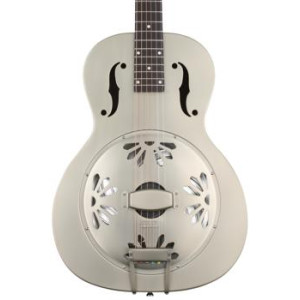
Gretsch G9201 Honey Dipper Roundneck Metal Resonator - Shed Roof
5 out of 5 stars 25 reviews
$999.99 -
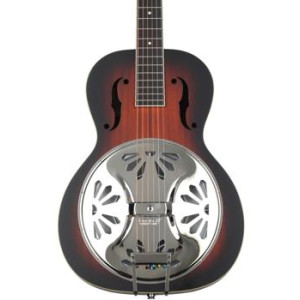
Gretsch G9220 Bobtail Round-neck Mahogany Body Resonator - 2-color Sunburst, Padauk Fingerboard
4.5 out of 5 stars 21 reviews
$799.99 -
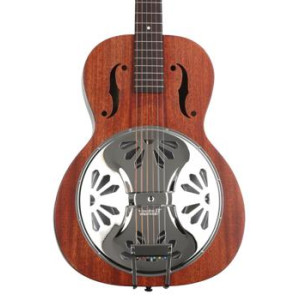
Gretsch G9200 Boxcar Round-neck, Mahogany Body Resonator - Natural, Padauk Fingerboard
4.5 out of 5 stars 28 reviews
$549.99 -
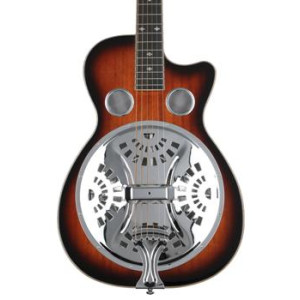
Gold Tone PBR-CA Paul Beard Signature Series Roundneck Resonator Guitar - Tobacco Sunburst
5 out of 5 stars 2 reviews
$1,799.99 -
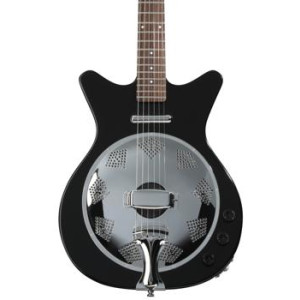
Danelectro '59 Resonator Guitar - Black
5 out of 5 stars 3 reviews
$739.00
Why shop Resonator Guitars at Sweetwater.com?
With a massive selection of Resonator Guitars, free shipping, a free 2-year warranty, 24/7 access to award-winning support - and more - Sweetwater gives you more than any other retailer! If you have any questions about Resonator Guitars, make sure to give your personal Sales Engineer a call at (800) 222-4700.
