

Dunlop Guitar Picks
Get More at Sweetwater
Refine Your Search
Availability
Price Range
Financing What is this?
Type of Deal
Series
- Dunlop Tortex (156)
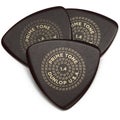
- Dunlop Primetone (50)
- Dunlop Flow (43)
- Dunlop Ultex (34)
- Dunlop Nylon (19)
- Dunlop Max-Grip (18)
- Dunlop Gator Grip (14)
- Dunlop Delrin 500 (12)
- Dunlop Prime Grip (12)
- Dunlop Gels (10)
- Dunlop Nylon Jazz Picks (9)
- Dunlop Fang (8)
- Dunlop Stubby (7)
- Dunlop Variety Pack (4)
- Dunlop Hendrix Pick Tin (3)
- Dunlop Artist (2)
- Dunlop Adamas (1)
- Dunlop Thumb Picks (1)
- Dunlop x Herco (1)
Gauge
- Extra Heavy (>1.5mm) (87)
- Heavy (.80 - 1.49mm) (216)
- Medium (.60 - .79mm) (94)
- Extra Thin (Under .40mm) (2)
- Thin (.40 - .59mm) (32)
Shape What is this?
Material What is this?
- Tortex (149)
- Ultex (125)
- Nylon (77)
- Delrin (38)
- Thermoplastic (22)
- Delrex (12)
- Celluloid (6)
- Ultem (4)
- Assorted (2)
- Nickel (2)
- Brass (1)
- Felt (1)
Color What is this?
- Red (89)
- Black (57)
- White (56)
- Purple (35)
- Yellow (30)
- Gold (27)
- Blue (26)
- Green (24)
- Brown (20)
- Gray (19)
- Pink (14)
- Orange (13)
- Multi-color (9)
- Assorted (6)
- Cream (3)
- Tortoise (3)
- Beige (2)
- Silver (2)
- Brass (1)
- Tan (1)
Quantity What is this?
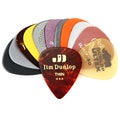
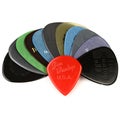

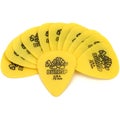
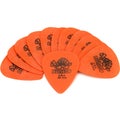



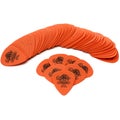
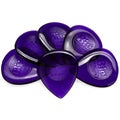


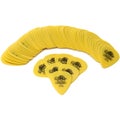
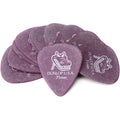








If you want to compare another product, please remove one of your earlier choices.
About Dunlop Guitar Picks
Jim Dunlop has been a massive influence on countless guitar products through the years, from historic straps to faithful pedal re-creations. But if there’s one thing most players can agree on, it’s that the Dunlop name is synonymous with quality guitar picks.
Many of us remember our first time walking into a guitar shop and feeling drawn to those iconic green, yellow, and red Tortex picks. Maybe you weren’t a player yet. Maybe that’s the moment you knew you wanted to be a guitarist. Behind it all was the “wow” factor of those colorful picks.
Today, the Dunlop pick line has grown to include shapes, textures, and sizes to suit every type of stringed instrument player. The one thing that hasn’t changed in over 50 years of innovation? Dunlop’s unwavering commitment to delivering a quality product in every pick. From your first strum to your final encore, Dunlop guitar picks are there every step of the journey.
Dunlop Guitar Pick Buying Guide
Pick shape
The shape of a Dunlop pick is a key ingredient in its attack, speed, and intensity. Here’s a brief breakdown, courtesy of our friends at Dunlop:
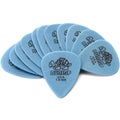
- Standard — It’s the standard for good reason! Dunlop standard picks are available in just about every Dunlop pick series, giving players a solid foundation for everything from plucking to shredding.
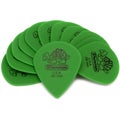
- Sharp — Searching for something with less drag? Dunlop sharp guitar picks include the Jazz III and Tortex Sharp designs, among others. They’re designed to give precision pickers a clean attack and easy string-to-string access, making them useful for players of all genres.
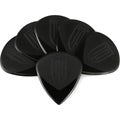
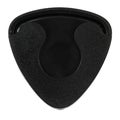
- Triangle — Wide shoulders give Dunlop triangle picks a greater surface area to grip, providing extra control for chugging and sledgehammering.
- Teardrop — Dunlop teardrop picks can be found in the company’s Stubby series and feature a historic shoulder-less profile and a sharp tip. These qualities make them very versatile, leaving plenty of room for players to choke up while remaining easy to palm for hybrid players.
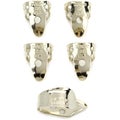
- Finger/Thumb — Are you a fingerstylist searching for more attack from your thumb and/or fingertips? Dunlop finger and thumb picks gently squeeze the phalanges to give your fingerpicked guitar, banjo, or lap steel parts greater clarity and punch.
Pick gauge
Lighter-gauge picks are less rigid than thicker picks, which helps them glide across strings easier for delicate riffing and Sunday morning strums. Heavier-gauge (thicker) picks are more inflexible than thin picks, which often gives them the edge for single-note clarity and definition.
Experimentation is the best way to know which pick gauge is right for you, but here are some general guidelines from Sweetwater’s pick experts:
- Electric guitarists — A gauge of 0.73mm is considered the gold standard for general use. Lighter gauges may increase picking speed and dynamics control. Heavier gauges elevate picking precision and attack for more technical or aggressive styles of music.
- Acoustic guitarists — A medium gauge (0.77mm to 0.88mm) is a good starting point for most strummers and flatpickers. Lighter gauges may increase picking speed and dynamics control. Heavier gauges will increase note separation as well as output. Ultra-light picks yield a more percussive tone and “shaker-y” timbre.
- Bass guitarists — A gauge of 1mm and thicker is generally preferred. Heavier gauges (2mm to 5mm) mean greater durability but less flexibility. Your sweet spot is a pick that offers the tone and control you want and is able to last you several gigs or practices.
- Fingerstylists — Metal picks in the 0.013-inch-to-0.025-inch range provide a good balance of flexibility and strength. Plastic and faux tortoiseshell picks offer a slightly softer tone and greater flexion without sacrificing fit memory.
Pick material
Have you ever wondered what materials go into the making of a Dunlop guitar pick? Here’s a brief breakdown of Dunlop’s top sellers:
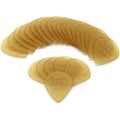
- Ultex — Guitar picks made from Ultex are extremely durable and are known to produce a bright and clear tone. The smooth surface results in a moderate grip.
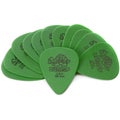
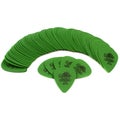
- Tortex — Tortex celebrates the historic tone of tortoiseshell picks in an ethical and sustainable way. Tortex picks are warmer-sounding than Ultex and nearly as durable, with a matte finish that results in a firm grip.
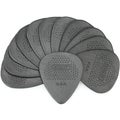
- Nylon — If you’re a nylon picker, then you know that nothing matches the mellow tone and flexible performance of nylon. That’s why Dunlop is proud to offer nylon picks in many shapes and sizes. Nylon is considered less durable than Ultex and Tortex but has a grip and sound unlike anything else on the market.
- Delrin — Delrin is an acetal resin formula trademarked by DuPont. In Dunlop’s picks, Delrin offers a medium stiffness and balanced tone in a wear-resistant design for a tone that many players consider to be the best of all worlds.
- Thermoplastic — Dunlop’s thermoplastics vary from pick to pick, offering a range of timbres, strengths, and grips. Be sure to check out Sweetwater’s on-page specs and customer reviews for more information!
Find Your Next Dunlop Guitar Picks at Sweetwater
Searching for the perfect Dunlop picks to give your tone and playing an edge? You’ll find all your favorites at Sweetwater. If you don’t know where to begin, then call our knowledgeable Sweetwater Sales Engineers at (800) 222‑4700 and let us know what you’re after in your next set of picks. We have years of experience chasing tone and technique and would be happy to share our experiences with you.